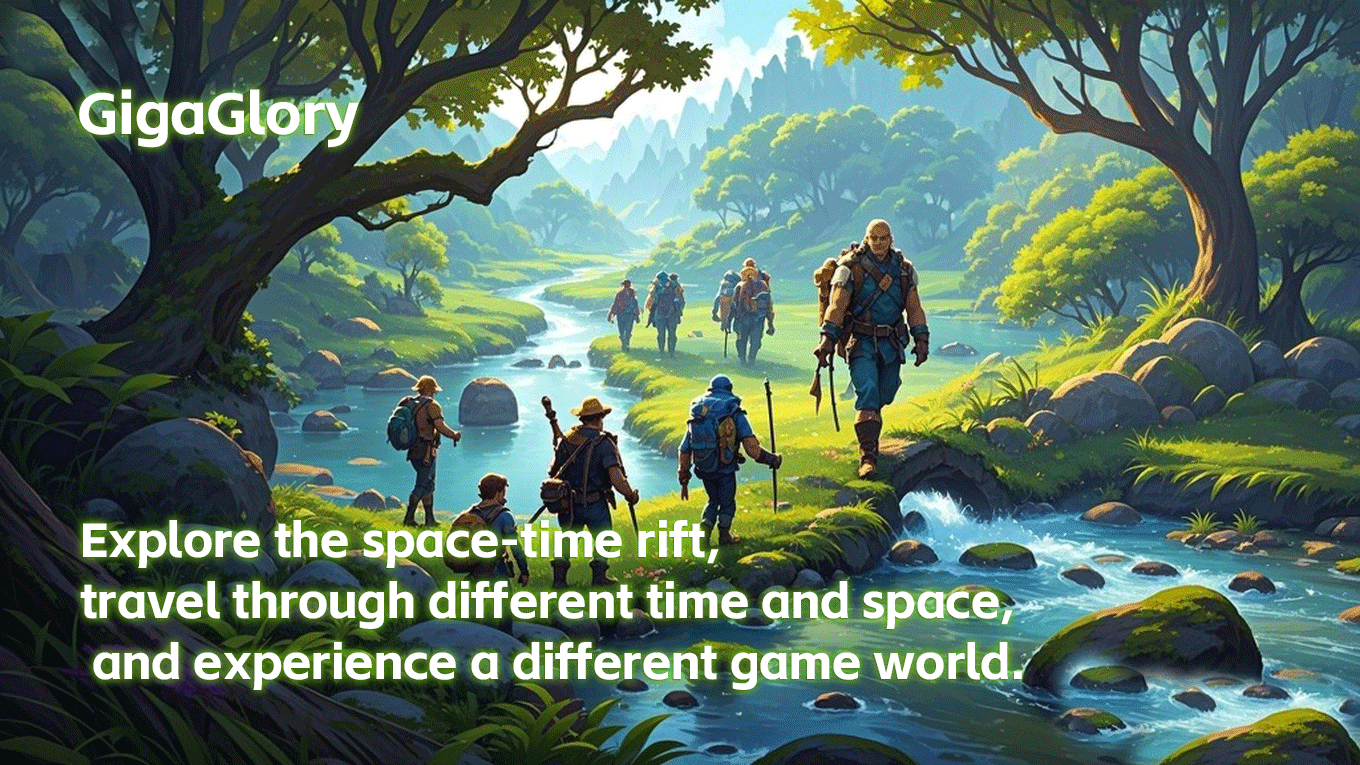
Why RPG Games Are Setting New Standards in Life Simulation Games
In the ever-evolving world of video games, RPG games have become a cornerstone of interactive entertainment. They not only offer an escape from reality but also allow players to immerse themselves in worlds that challenge the very fabric of everyday life. In this article, we'll explore how these games are influencing life simulation games and setting new benchmarks for what immersive gaming can truly be.
The Rise of RPGs in a Changing Gaming Landscape
The past few years have witnessed an incredible rise in the popularity of RPG games. They invite players to step into the roles of characters, embarking on epic journeys filled with quests, battles, and critical choices that affect the game world. As gamers yearn for more depth and complexity in their gaming experiences, it’s no surprise that RPGs are becoming intertwined with life simulation games, creating new hybrids that push boundaries.
Life Simulation Games: A Brief Overview
Life simulation games allow players to control characters in a simulated life environment. From building homes to managing relationships, these games reflect real-life experiences in a virtual context. Popular titles like 'The Sims' have set the stage, but RPGs are now introducing elements that bring a new layer of interaction.
Key Features of Life Simulation Games
- Character customization and development
- Dynamic environments and world-building
- Social interactions and relationships
- Day-night cycles and seasonal changes
- Quest-driven experiences
The Intersection: How RPGs Are Enhancing Life Sim Games
What happens when you blend the immersive storytelling of RPGs with the everyday mechanics of life simulation games? The result is a captivating experience that resonates with both fantasy lovers and simulation enthusiasts. Let's examine a few ways RPG elements are reshaping life simulation, often leading to the first video game with post-story gameplay.
1. Enhanced Narrative Depth
RPGs bring an intricate narrative structure that allows for character development over time. Players in life simulation games now find themselves not just managing relationships but also navigating complex storylines where their choices carry weight and may alter outcomes significantly. This creates a layer of immersion rarely seen before.
2. Player Agency and Decision-Making
Perhaps one of the most significant contributions of RPG elements is the emphasis on player agency. In traditional life sims, choices might feel inconsequential. However, with RPG mechanics, even seemingly trivial decisions can lead to surprising results, enriching the overall gameplay experience.
3. Quests and Challenges
Quest mechanics from RPG games introduce a structured purpose to life simulation, pushing players beyond mundane activities like building homes or earning careers. There are goals to achieve, side quests to explore, and adventures to experience, enhancing engagement and satisfaction levels.
A Case Study: Utopia RPG Game
Take, for example, the Utopia RPG Game, which merges the best of both RPGs and life simulation. Players can not only manage their characters' lives in a beautiful, open world but also engage in quests that add layers of meaning to their virtual existence. Here’s a snapshot of its features:
| Features | Description |
|---|---|
| Character Customization | Design unique characters with personal histories. |
| Dynamic Storylines | Engaging narratives that evolve based on player choices. |
| Open World | A vast world to explore filled with hidden treasures. |
| Multi-layered Quests | From simple errands to epic adventures, quests are varied. |
Main Takeaways from RPG Influence on Life Sim Games
RPGs have dramatically influenced life simulation games in various insightful ways. Here are some crucial points to consider:
- Depth of Engagement: The combination enhances the emotional investment of players.
- Interactivity: Greater interaction between characters and world elements leads to a more captivating experience.
- Longer Play Duration: Stories that extend beyond traditional gameplay bring back players for more.
- Increased Evolution: Games continuously develop, offering new content and features.
FAQs About RPG and Life Simulation Games
What are some examples of RPG elements used in life simulation games?
Examples include character backstories, moral choices that affect outcomes, and quest systems integrated into daily life simulation tasks.
Can you name a life simulation game that has successfully incorporated RPG mechanics?
Games like 'Stardew Valley' or 'My Time at Portia' offer rich life simulation experiences with RPG elements embedded in farming and community interactions.
Conclusion
The convergence of RPG games and life simulation games marks a significant turning point in the gaming industry. Players are no longer satisfied with straightforward gameplay; they seek emotional engagement, narrative depth, and memorable experiences. The fusion creates enriching environments, turning virtual lives into epic narratives worth experiencing. As the boundaries between these genres continue to blur, players can only anticipate more robust and captivating worlds filled with adventure, morality, and complexity. The first video game with post-story gameplay is not a far-off dream but a burgeoning reality in today’s gaming sphere. Happy gaming!