Why Multiplayer Games Are Revolutionizing Social Interaction in the Digital Age
The Rise of Multiplayer Games
In recent years, multiplayer games have made a seismic shift in the gaming industry. The days when gaming was a solitary activity are long gone. Now, more than ever, players across the globe connect through their screens, forming virtual communities that transcend borders. As technology advances, the appeal of multiplayer games continues to grow, shaping the way we interact socially.
Understanding the Essence of Multiplayer Games
At their core, multiplayer games are designed to allow multiple players to engage with each other in a shared environment. This connectivity fosters camaraderie, competition, and collaboration. Let's dive into some popular genres of multiplayer games and their impact on social connections:
- Action Games
- Role-Playing Games (RPGs)
- Battle Royale Games
- Cooperative Games
Social Bonds Formed Through Gameplay

One of the most profound impacts of multiplayer games is the social bonds they foster. Playing these games allows individuals to meet, interact, and forge relationships with players from diverse backgrounds. The shared experience during gameplay can lead to friendships that extend beyond the gaming world.
How Multiplayer Games Create Community

Communities formed around multiplayer games often have their own cultures and norms. Players find a sense of belonging and identity within these communities. For example, team-based games like Counter-Strike or Overwatch require communication and strategy, leading players to develop close-knit teams. Let's look at a few ways multiplayer games create community:
- Teamwork and Collaboration
- Shared Achievements and Goals
- In-Game Events and Tournaments
Impact on Mental Health and Emotional Well-being

Multiplayer games can also have a positive impact on mental health. They provide an escape from reality, a way to relieve stress, and even a means for therapeutic interaction. Social isolation is a significant concern in today’s society, but engaging in multiplayer games can mitigate feelings of loneliness. This is particularly evident during challenging times when physical interactions are limited.
Transforming How We Connect

Unlike traditional face-to-face interactions, multiplayer gaming allows players to connect with others in real-time regardless of their location. This virtual interaction is often perceived as just "gaming," but the emotional and social benefits can be profound. By navigating virtual worlds together, players can develop empathy and communication skills.
The Best Horror Games: A Social Experience
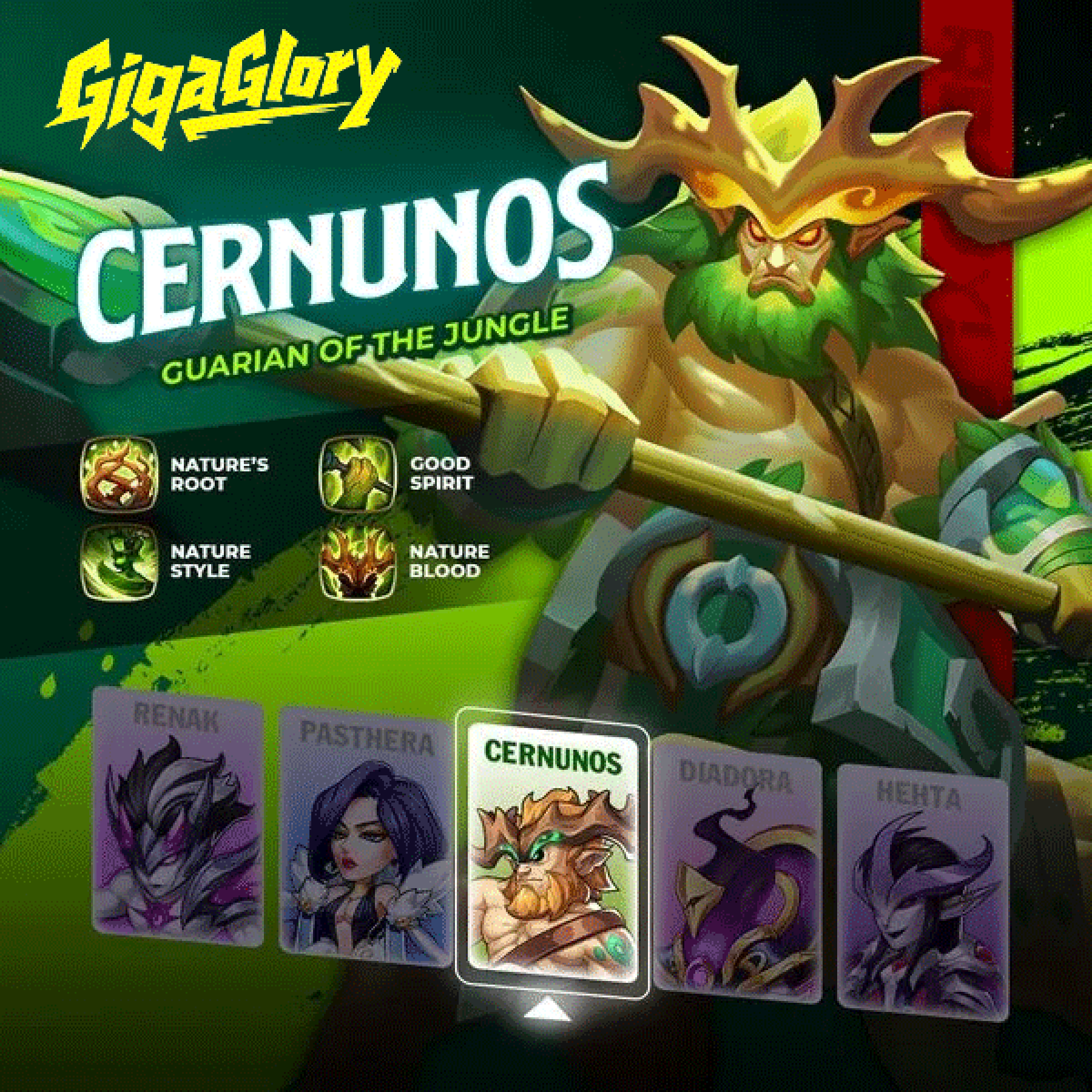
Many multiplayer games, particularly horror games, excel in creating a shared social experience that heightens tension and excitement. For example, games like Dead by Daylight or Phasmophobia require players to work together to survive against terrifying odds. The best horror games not only tell compelling stories but also engender teamwork, fear, and group dynamics.
The Power of Storytelling in Gaming

Great storytelling can elevate the gaming experience. For instance, fantastic narrative arcs in horror games keep players on the edge of their seats while they communicate strategies and share scares, making every moment memorable.
Case Study: Eric Haney and Inside Delta Force
Eric Haney's narrative in "Inside Delta Force" offers a glimpse into the lives of elite troops. Applying this analogously to multiplayer games, we see how storytelling can draw players in and create immersive experiences. Players become part of a larger narrative, similar to that experienced by Haney in real life, allowing for personal engagement and emotional investment.
The Future of Multiplayer Games and Social Interaction

As technology continues to evolve, so will multiplayer games. The upcoming advancements in virtual reality (VR) and augmented reality (AR) show great potential for even more immersive social interactions. Imagine being fully immersed in a game, physically moving and interacting in a digital environment alongside your friends.
Anticipating Changes
The gaming industry is at a tipping point, and we must consider how these advancements can further shape social interactions:
- Enhanced Virtual Reality Experiences
- Increased Accessibility for Diverse Audiences
- Expanded Platforms for Engagement
Challenges and Concerns
While multiplayer games offer exciting opportunities for socialization, they come with their own set of challenges. Issues like toxicity in communities, addiction, and the blurred lines between virtual and physical interactions can arise. It’s essential to address these concerns to maintain a healthy gaming environment.
Promoting Healthy Gaming Habits

Players should actively promote positive interactions and create safe communities. Here are some ways to foster a healthy gaming culture:
- Encouraging Respectful Communication
- Setting Time Limits for Gaming
- Choosing Games with Positive Communities
Conclusion: The Social Revolution of Multiplayer Games
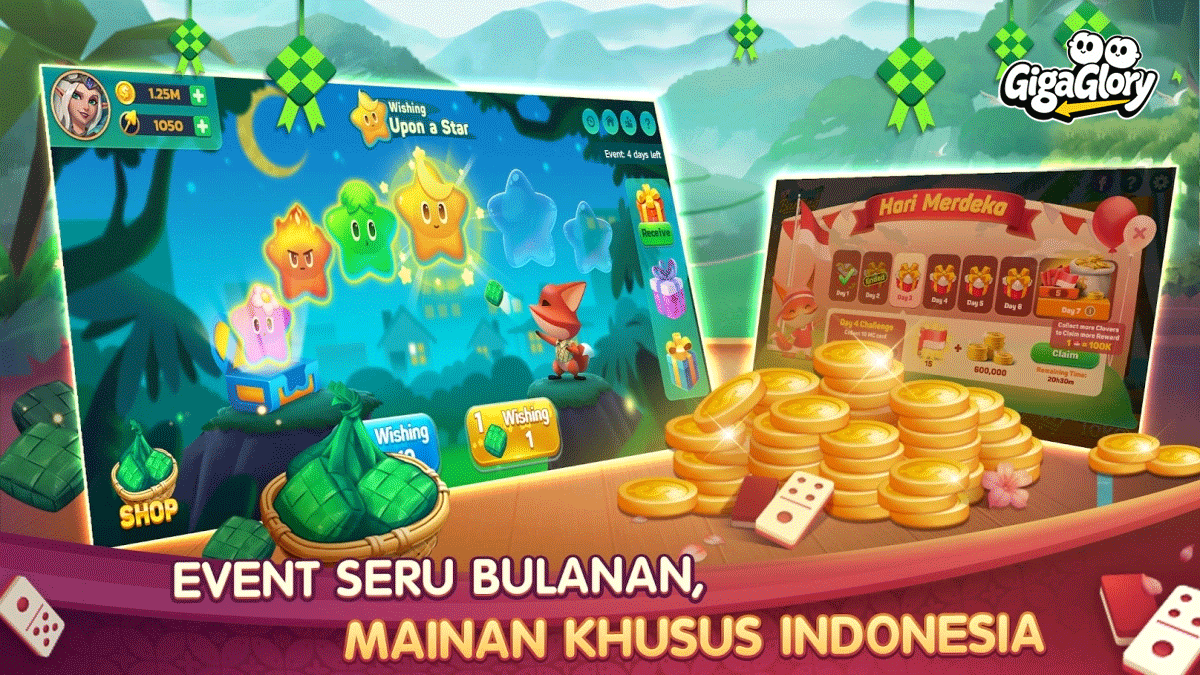
In conclusion, multiplayer games are revolutionizing how we interact in the digital age. They have transformed social experiences, offering a platform for friendships, collaboration, and community. While challenges exist, the benefits far outweigh the drawbacks. As gaming technology advances, we can anticipate even more innovative ways to connect with others through these virtual worlds. So the next time you step into a multiplayer game, remember: you’re not just playing; you're embarking on a journey that could change your social life.
Frequently Asked Questions (FAQs)
What are some popular multiplayer games today?

Some popular multiplayer games include Fortnite, Among Us, and League of Legends, each offering unique gameplay experiences.
How do multiplayer games benefit mental health?

Multiplayer games can provide social interaction, combat loneliness, and serve as an enjoyable escape, thus promoting overall well-being.
Are there any risks associated with multiplayer gaming?
Yes, risks include potential addiction, exposure to toxic behavior, and maintaining a balance between virtual and real-life interactions.