Why Casual Games Are the Future of Entertainment: Exploring Their Growing Popularity
The Rise of Casual Games
In the digital age, many forms of entertainment have emerged, but few have captivated audiences quite like casual games. With their explosive growth over the past decade, these games have carved out a significant niche in the entertainment industry.
Defining Casual Games
But what exactly are casual games? Essentially, they are games designed to be easy to pick up and play, requiring little time commitment or complex skills. This accessibility is a major draw, appealing to a wide audience, including those who might not identify as "gamers."
Characteristics of Casual Games
- Simple Mechanics: Most casual games feature straightforward gameplay that does not require extensive training.
- Short Play Sessions: Players can enjoy brief gameplay sessions, making them ideal for busy lifestyles.
- Visually Appealing: Colorful graphics and charming characters help to attract players.
Popular Titles in the Casual Game Landscape

Some standout titles such as Clash of Clans have pushed the boundaries of casual gaming. These games blend simple mechanics with social interaction, making them incredibly engaging.
Clash of Clans and Its Impact

Clash of Clans exemplifies how casual games can incorporate elements that enhance player interaction. This title has transformed the way casual games are perceived and played. Social features such as clans and cooperative gameplay encourage ongoing engagement and have popularized the genre.
The Appeal of Casual Gaming
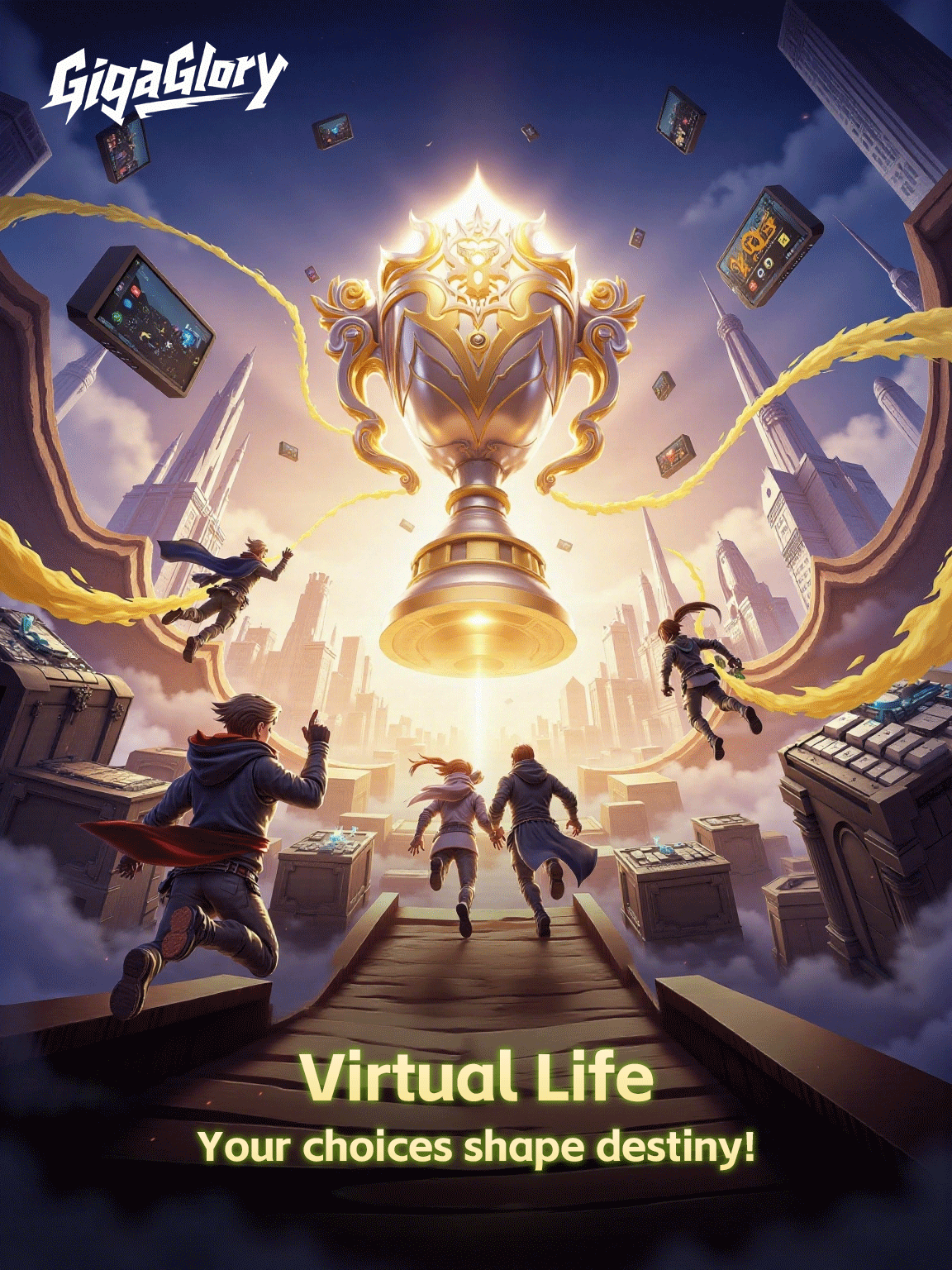
Casual games appeal to a diverse audience—children, adults, even seniors find enjoyment in their simplicity. This appeal stems from several factors:
Accessibility

One of the primary reasons for their popularity is accessibility. Casual games are often available on multiple platforms, including smartphones, tablets, and computers. This variety allows players to enjoy games wherever they are, without needing specialized hardware or expertise.
Social Connectivity
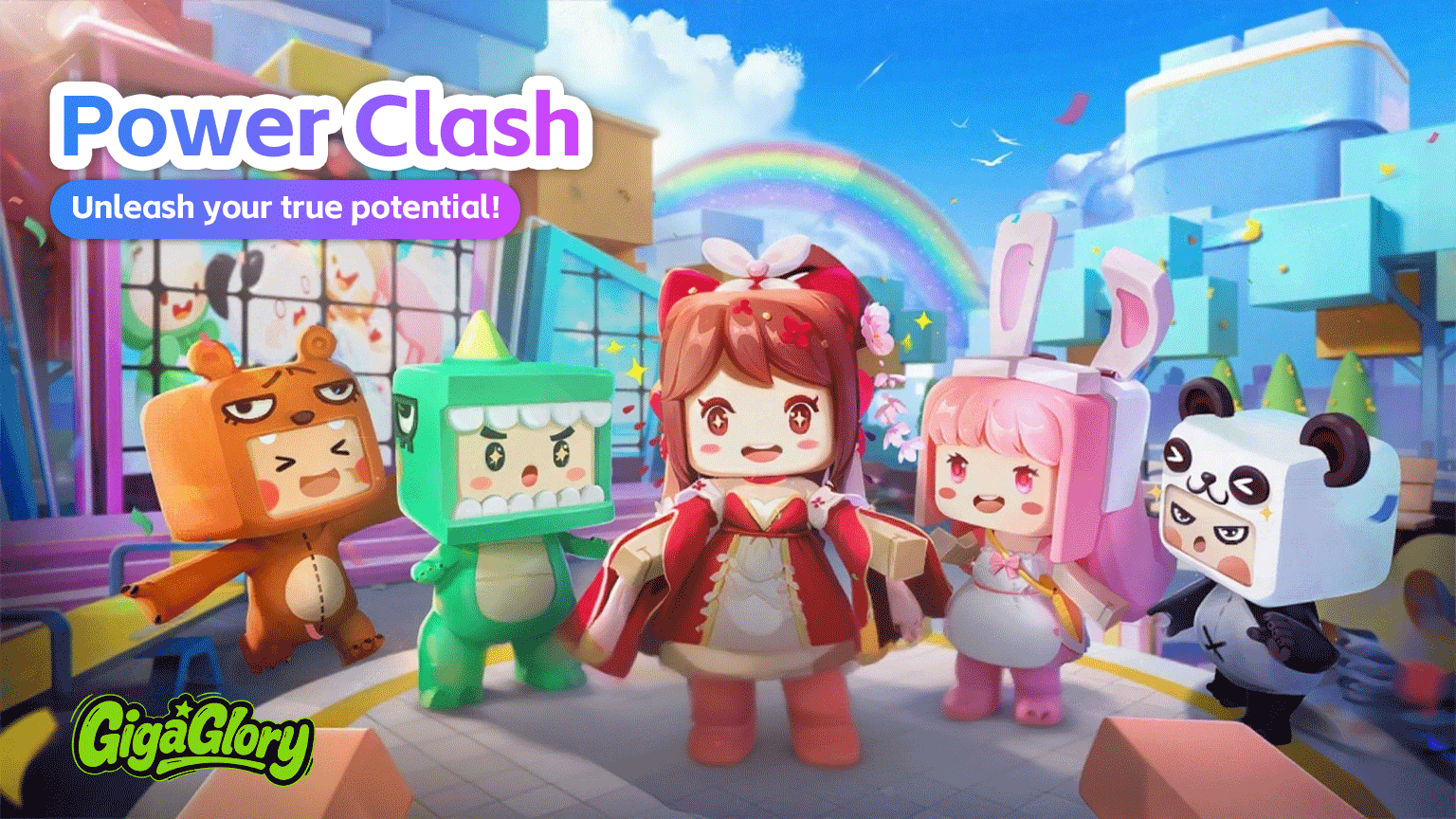
Many casual games incorporate social features, allowing players to connect with friends or even strangers. This community aspect significantly enriches the gaming experience.
Market Trends: Casual Games on the Rise

The market for casual games is booming. Recent studies indicate that casual gaming is one of the fastest-growing segments of the gaming industry. This rise is influenced by changing demographics.
Demographics Shaping the Future

Traditionally, gaming was viewed as predominantly male-dominated, primarily targeting younger audiences. Now, however, the demographic landscape is expanding. Women and older adults are becoming avid gamers, thanks largely to the rise of casual games.
What is an RPG Video Game?
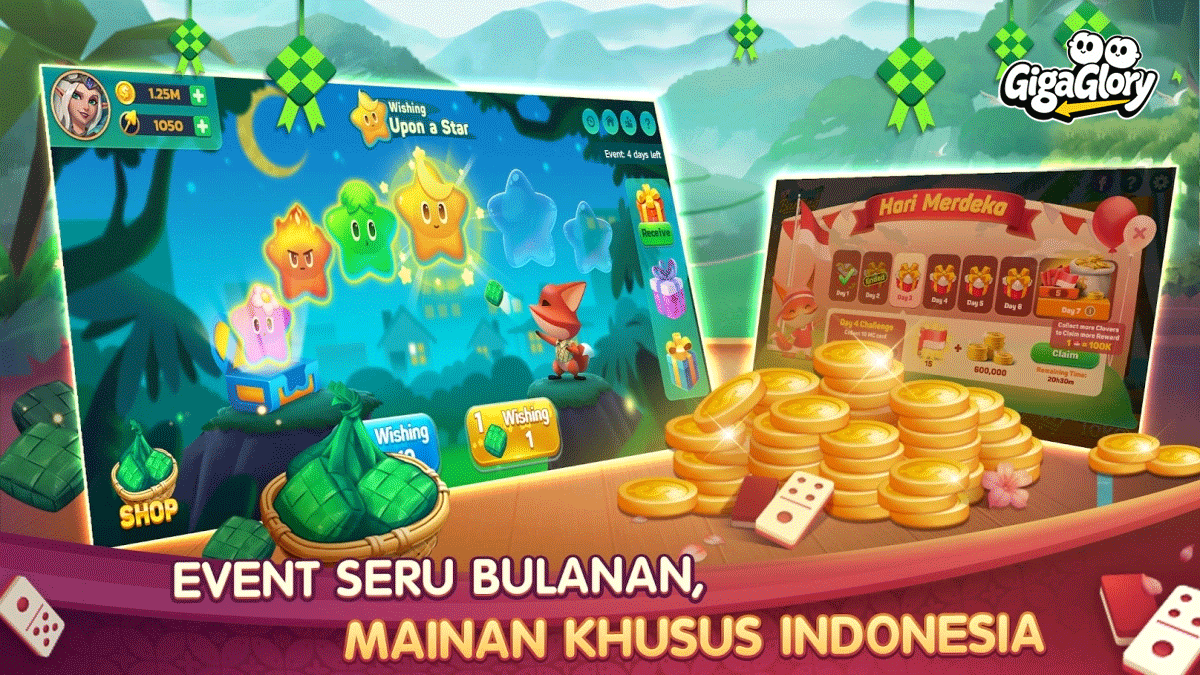
To understand the broader context of gaming, let's briefly touch on RPG (Role-Playing Games). These games allow players to assume roles of characters in a fictional setting, often with complex narratives and character development. While RPGs require a deeper commitment, they have also seen a surge in casual adaptations, blending genres.
How Casual Games Promote Mental Well-being

Beyond entertainment, casual games can also contribute positively to mental health. They serve as a means of stress relief and social interaction, providing an escape from daily pressures.
Benefits of Casual Gaming for Mental Health
- Stress Relief: Engaging in light gameplay can relieve stress and serve as a mental break.
- Cognitive Skills: Many casual games enhance cognitive functions such as problem-solving and strategic thinking.
- Social Interaction: Connecting with others through games can decrease feelings of isolation.
Monetization Strategies in Casual Games

The revenue model for casual games often relies on freemium models—free to play with optional purchases. This strategy has proven successful in attracting massive user bases.
Understanding the Monetization Model
- Players download the game for free.
- In-game purchases enhance the gaming experience.
- Advertisements generate revenue.
Future Trends in Casual Gaming

As technology advances, the future of casual gaming looks promising. Innovations such as augmented reality (AR) and virtual reality (VR) are expected to enhance gameplay experiences. Developers will likely continue to explore new trends to engage gamers.
Expected Advancements

Future developments might include:
- Greater integration of AR in games.
- Enhanced social functionalities and community aspects.
- Increased accessibility for users with disabilities.
Conclusion
In conclusion, casual games are redefining the entertainment landscape. Their accessibility and community-driven nature appeal to a vast audience, from casual players to die-hard fans. As we move forward, one thing is clear—casual games have solidified their spot as a key player in the future of entertainment.
FAQ
1. What platforms are casual games available on?

Casual games can typically be found on smartphones, tablets, and online platforms. They are designed for maximum accessibility.
2. How can casual games help with mental well-being?
Casual games can reduce stress, boost cognitive functions, and foster social connections, which are all beneficial for mental health.
3. Are casual games free to play?
Many casual games are free to download, but they offer optional in-game purchases for enhanced experiences.